
Prototyping



Concept-to-Prototype Translation
Turning initial ideas and requirement specifications into an actionable prototype plan.
Converted finalized features and system architecture into schematics and design documents.
Selected necessary components (microcontroller, sensors, connectivity modules, battery pack, casing material, etc.).
Prepared early design sketches and UX workflows for functional alignment.
Created prototype objectives: what must be tested and validated at this stage.
Hardware Architecture Development
Building the physical electronics foundation.
Designed the PCB layout, including power regulation, signal routing, and microcontroller integration.
Selected sensors, processors, antennas, and power units based on performance and cost feasibility.
Ensured compatibility with communication technologies (WiFi, GSM, LTE, Bluetooth, etc.).
Used breadboards or quick prototype PCBs for initial hardware experiments.
Firmware & Software Prototype
Developing the initial intelligence layer of the device.
Programmed essential firmware functions such as sensor reading, data processing, and message triggers.
Built initial connectivity logic (network registration, WiFi setup, SMS/API sending).
Created a simple app/UI or web interface for early testing (if applicable).
Implemented basic debugging logs for validation and troubleshooting.
Mechanical & Industrial Design Prototype
Creating the physical enclosure of the product.
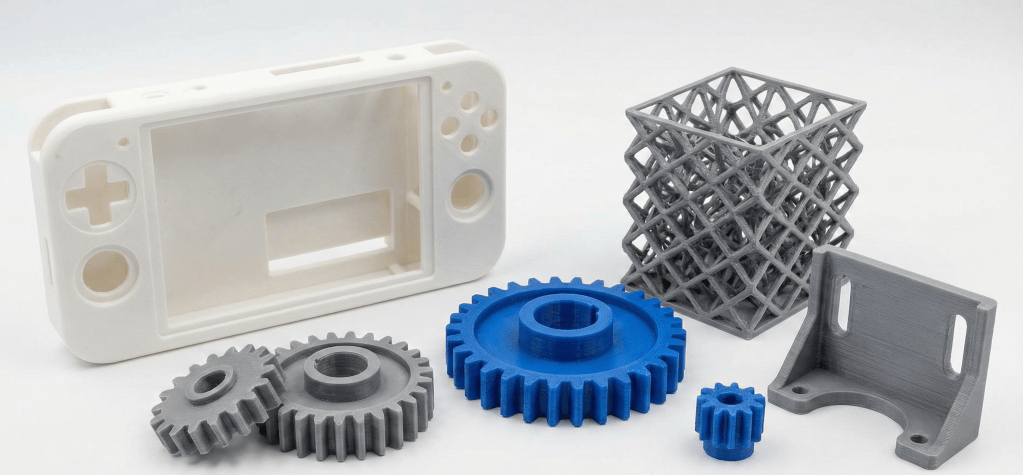
Built initial enclosures using 3D printing, acrylic sheets, or CNC machining.
Designed case structure for airflow, battery placement, durability, and mounting.
Focused on ergonomics, aesthetics, and ease of manufacturing.
Refined design based on thermal behavior and component placement.
Integration & Assembly
Bringing all modules together into a cohesive prototype unit.
Combined PCB, sensors, battery, antennas, and enclosure components.
Ensured proper cable management and physical stability.
Performed soldering, component alignment, and structural reinforcement.
Integrated firmware and hardware for synchronized behavior.
Initial Functional Testing
Evaluating whether the prototype performs at expected baseline levels.
Tested alert generation, communication, sensor accuracy, and system responsiveness.
Performed connectivity tests (WiFi/GSM range, signal dropping, reconnection logic).
Validated power performance, charging behavior, and thermal response.
Conducted field tests in controlled real-world conditions.
Iterative Refinement
Improving the prototype through multiple rounds of upgrades.
Updated PCB layout based on faults or noise issues.
Tuned firmware for stability, speed, and accuracy.
Modified enclosure for heat dissipation, durability, or aesthetic enhancement.
Optimized antenna placement and battery life.
Advanced Prototype
More mature version of the prototype closer to production.
Introduced refined electronics designed for manufacturability.
Optimized firmware for seamless user operation.
Integrated improved sensors/antenna modules.
Added safety features, fallback logic, and error handling.
Performed extensive testing for quality and reliability.
Pre-Production Prototype
Prototype developed with near-final components and casing.
Used final-grade materials and production-ready PCB designs.
Ensured compliance readiness (BIS, WPC, MTCTE, battery certification, etc., if applicable).
Conducted broadened field testing with sample customers.
Improved manufacturing feasibility: assembly time, cost efficiency, and supply chain alignment.
Verified reliability under long-term usage.
Documentation & Handover
Ensuring the prototype can seamlessly transition to mass production.
Technical drawings, PCB schematics, and enclosure CAD files.
Firmware documentation and API references.
Assembly instructions and manufacturing guidelines.
Test reports and validation summaries.
BOM (Bill of Materials) with alternate component suppliers.